FREEDOM IS NOT A PRIVILEGE, IT IS THE RIGHT OF EVERYONE
FUNDAMENTAL RIGHTS-WHAT ARE THEY?
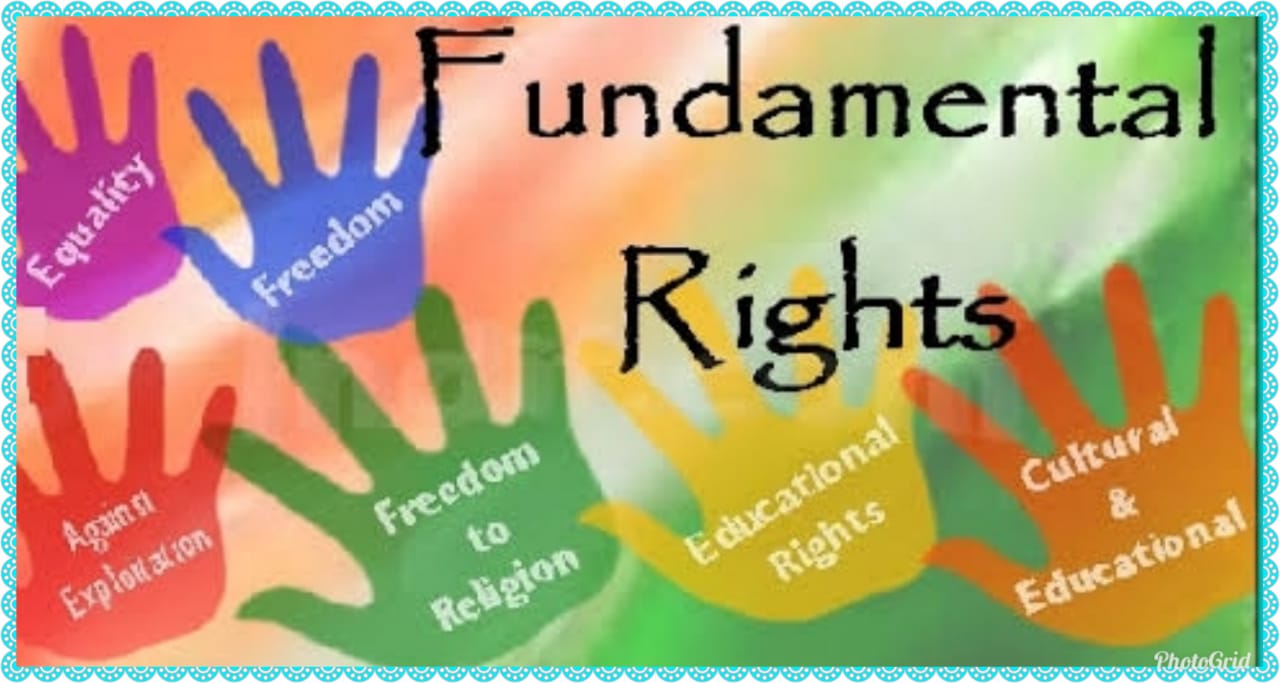
FUNDAMENTAL RIGHTS ARE CERTAIN PRIVILEGES AND ENTITLEMENTS/RIGHTS THAT EVERY INDIVIDUAL INDIAN CITIZEN IS PROVIDED BY THE CONSTITUTION OF INDIA. THEY ARE KNOWN AS BASIC HUMAN FREEDOMS THAT ALL CITIZENS OF A COUNTRY CAN ENJOY. FUNDAMENTAL RIGHTS APPLY UNIVERSALLY TO ALL CITIZENS, IRRESPECTIVE OF RACE, PLACE OF BIRTH, RELIGION, CASTE OR GENDER.
WHAT DO WE TALK ABOUT IN THIS BLOG?
Today, we will talk about the most universal Fundamental Right in India–The Right to Freedom. As a citizen of India, you get 6 Fundamental rights. The Right to Freedom is one of them and is very important. This blog contains everything you need to know about this Right and be at the top of your class.

THE PRIVILEGES YOU ENJOY WITH RIGHT TO FREEDOM.
- The freedom of speech and expression
- The right to move around anywhere you want in India or to stay/live in any part of India
- The right to protection of a person’s life and freedom
- The right to practice or learn any job, business, occupation or profession
- The right to assemble with people peacefully, without weapons.
- The right to protection under suitable laws if a citizen is convicted or arrested of a crime
- The right to form any associations or unions
These freedoms form the basis of a meaningful democracy.

RESTRICTIONS OF THE RIGHT TO FREEDOM
The Constitution of India also imposes certain restrictions on these rights/freedoms. As rights can never be absolute, Individual rights must always be reconciled with the interests of the community.
The government restricts these freedoms in the interest of:- the independence, sovereignty and integrity of India, in the interest of morality and public order and during a state of emergency.
However, the right to life and personal liberty cannot be suspended.

Restrictions of various rights.
- The Right to freedom of speech and expression can be restricted on 8 grounds. These are:
- Defamation
- Security of the state or country
- Sovereignty
- Friendly relations with other states
- Contempt of court
- Incitement of offence
- Decency or morality
- Integrity of India
- The Freedom to Assemble has 2 restrictions.
- The meeting must be peaceable
- The members of assembly must not carry arms.
In India, the citizens do not have the right to carry arms. However, as an exception, the Sikhs are allowed to carry ‘Kirpan’ as part of their religious creed.
- The Right to form associations or unions does not allow people to enter into criminal conspiracy either against individuals, groups or against the state or country.
- The Right to move freely or to reside and settle in any part of India, does not allow illegal trespassing into homes or restricted areas. State can also restrict this freedom to keep the aboriginal tribes safe.
- The Right to practice/earn any job,occupation,profession or business also has some restrictions. Professions/jobs/occupations/business must not be harmful to the interest of the community or to the people. The state can also provide qualifications for a particular profession or a business occupation.
Power of Indian Courts to enforce the freedom of citizens of India
- All Indian citizens have the power to move the High Court or the Supreme Court for protecting his personal freedom.
- The Courts are empowered to issue writs in the nature of habeas corpus. The courts can order the presence of a detained or imprisoned person and set him free if there is not any legal proof showing that he is guilty for his imprisonment.
Rights to Freedom during a National Emergency
- The Rights to Freedom under Article 19 of Indian constitution are suspended during a period of National Emergency announced by the President of India.
- During the period when the National emergency is in operation, the President is allowed to suspend the rights of citizens to move the Supreme Court for the enforcement of their personal freedom.

Conclusion.
The Right to Freedom is a basic Human Right and Civil Liberty. While it guarantees the citizens of India freedom from all forms of slavery, it cannot be absolute in the interest of democracy for all. HAVING EQUAL RIGHTS FOR ALL MEANS THAT EVERYBODY’S RIGHT ARE A LITTLE LIMITED.
Citations: Wikipedia.com, Mitra’sIAS.com,Rajasthanhistory.com

 Akshat's blog